The packaging industry is evolving rapidly, driven by the digitalisation of industrial processes and the growing need for logistics efficiency.
In recent years, packaging manufacturers have invested in automation, structural simulation and data analysis to improve the quality of the solutions they develop and increase production efficiency.
These technologies not only accelerate production processes, but also optimise packaging design, reduce material waste and enable a faster response to market needs.
As logistics chains become more complex and demanding, technology is taking on a central role in the way packaging is designed and produced.
Automation in packaging production
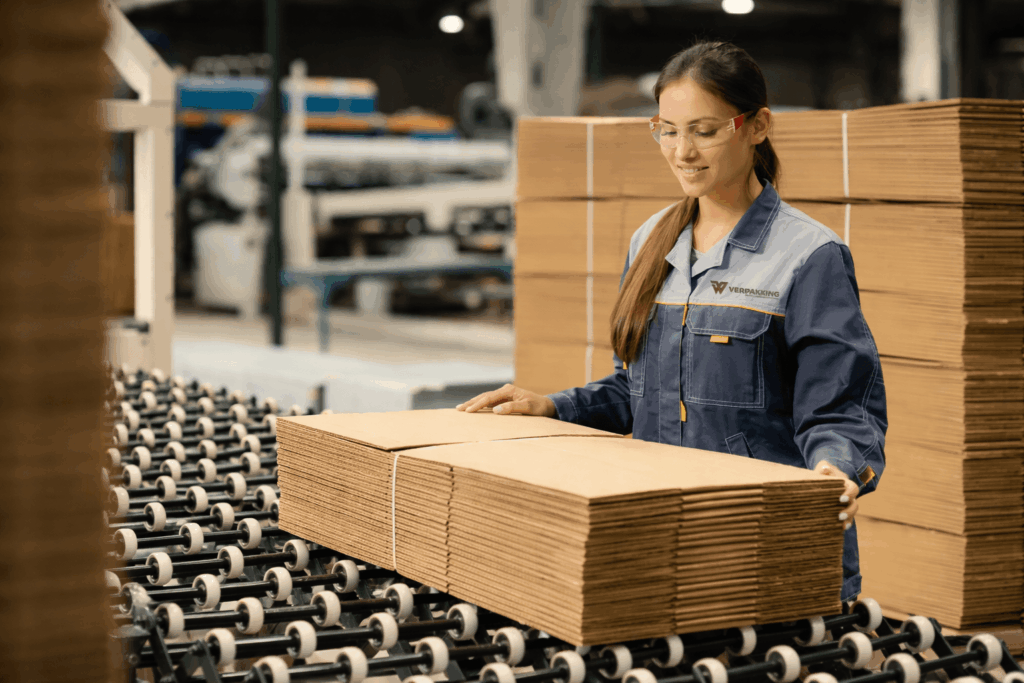
Automation is now an essential element in modern packaging production lines.
Automated equipment can carry out processes such as cutting, creasing, folding, gluing and palletising with a high degree of precision and consistency.
The main benefits of automation include:
- greater consistency in packaging quality
- higher production speed
- fewer operational errors
- better control of production processes
In corrugated cardboard factories, for example, automated equipment makes it possible to produce high volumes with excellent dimensional precision, ensuring that each package meets the logistics and structural requirements defined during the design stage.
Structural simulation in packaging design
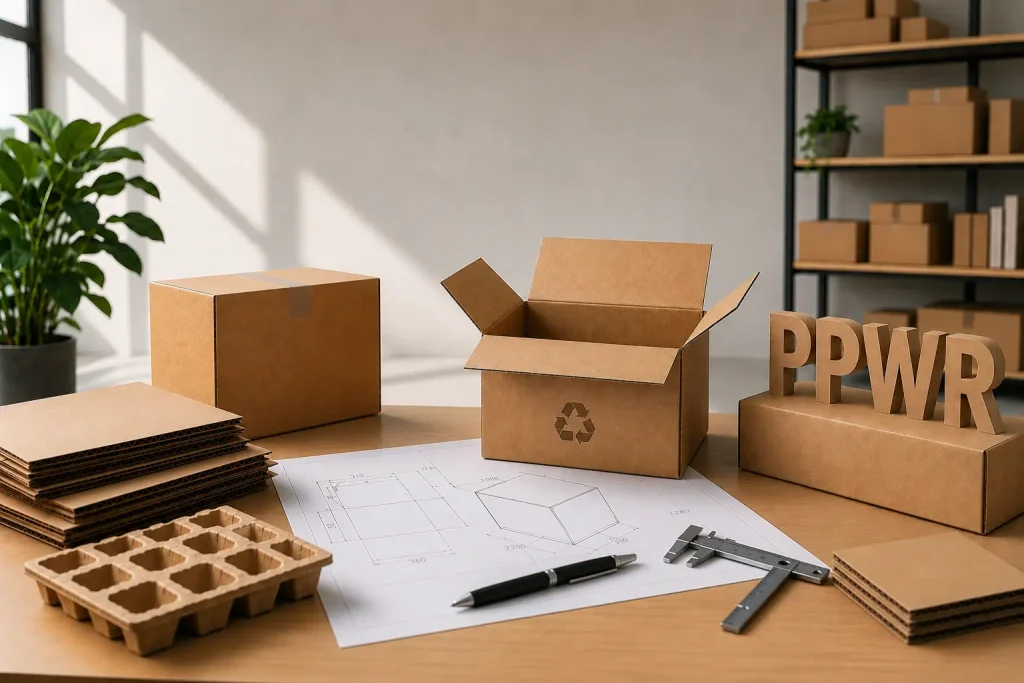
Another important development in the industry is the use of structural modelling and simulation software.
Specialist tools make it possible to test different packaging configurations during the development phase, before physical production begins.
These technologies can be used to:
- assess compression resistance
- simulate warehouse stacking
- optimise load distribution
- reduce unnecessary material use
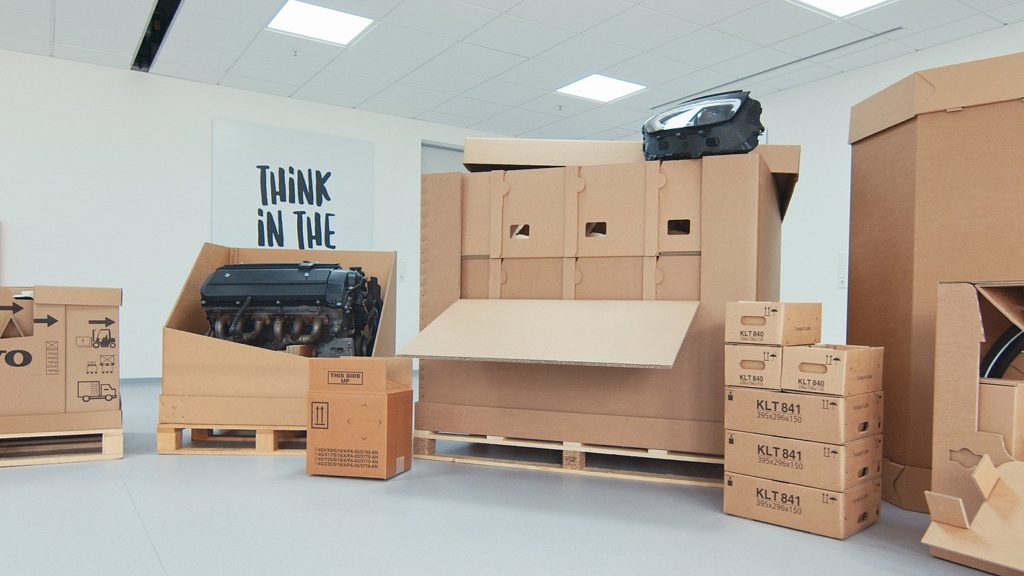
This type of approach enables the development of more efficient packaging while ensuring adequate product protection and optimising logistics costs.
Data analysis and production planning
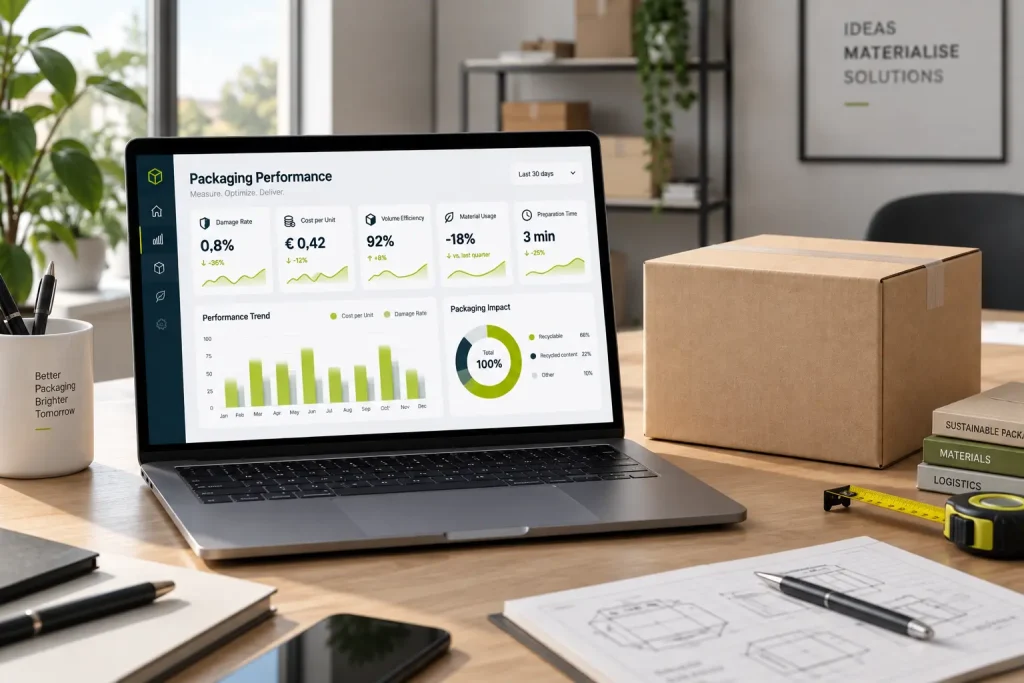
The integration of digital systems and data analysis platforms is also transforming packaging production management.
Using operational data and consumption patterns, companies can improve production planning and quickly adapt capacity to market requirements.
This approach contributes to:
- better inventory management
- greater production predictability
- reduced material waste
- greater efficiency across the logistics chain
By combining sales, production and logistics information, companies can make better-informed decisions and adjust processes in real time.
Sustainability through efficiency
Technological innovation also has a direct impact on the sustainability of the industry.
More efficient processes and optimised designs reduce raw material consumption and minimise waste throughout the production cycle.
Some of the main improvements include:
- structural optimisation of packaging
- reduced grammage without compromising strength
- improved energy efficiency in production processes
- greater integration of recyclable materials
These improvements reduce the environmental impact of packaging while simultaneously increasing the economic efficiency of operations.
The combination of automation, digitalisation and advanced design tools is transforming the way packaging is developed and produced.
Companies that invest in these technologies can improve production efficiency, reduce waste and create solutions that are better adapted to current logistics requirements.
In an increasingly competitive market, the ability to combine packaging engineering, technology and industrial efficiency will be a decisive factor in the future of the sector.