In a market where efficiency, sustainability and competitiveness are increasingly interconnected, optimising the way products are packed and transported is no longer merely an operational matter — it has become a strategic advantage.
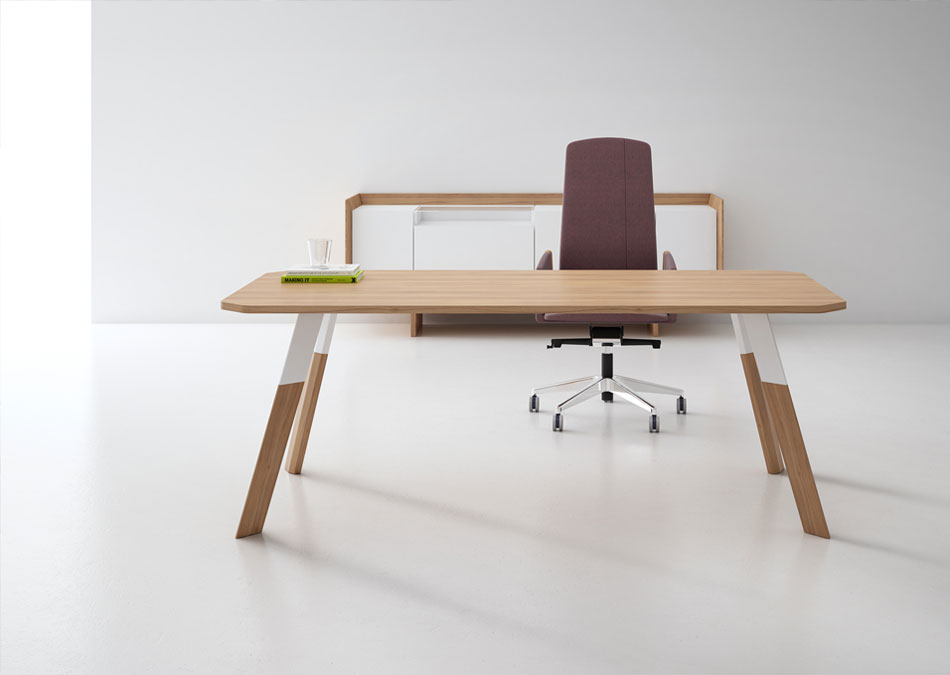
That was precisely the challenge presented by one of our clients in the office furniture sector. The result was a solution that drastically reduced plastic use, simplified processes, increased payload capacity and strengthened the brand’s sustainable image.
The Challenge: Complexity, Excess Volume and Dependence on Plastic
The client used eight different packages for the same product, a setup that created:
- poorly standardised processes;
- high material consumption;
- large logistics volume;
- difficulties with stock control;
- and a strong dependence on plastic at every stage.
In addition, the need to optimise transport costs — in a context of growing exports — made it essential to improve space utilisation and reduce damage.
The Objective: One Packaging Solution, More Sustainable and More Efficient
The goal was clear:
- create a single solution to replace the eight existing packages;
- eliminate or minimise the use of plastic;
- strengthen the protection of the components;
- simplify the packing process;
- and increase logistics and economic efficiency.
Verpakking’s Approach: Engineering in the Service of Efficiency
The project began with a complete analysis of the product, internal workflows and external logistics requirements.
Key stages of the process:
- Mapping the AS-IS situation: existing packaging, operating times and critical points.
- Developing prototypes made entirely from cardboard.
- Protection and drop testing with real-impact simulation.
- Pilot testing in the operating environment to validate times, ergonomics and logistics compatibility.
- Full implementation and team training.

The Solution: One Package, Zero Plastic and Maximum Efficiency
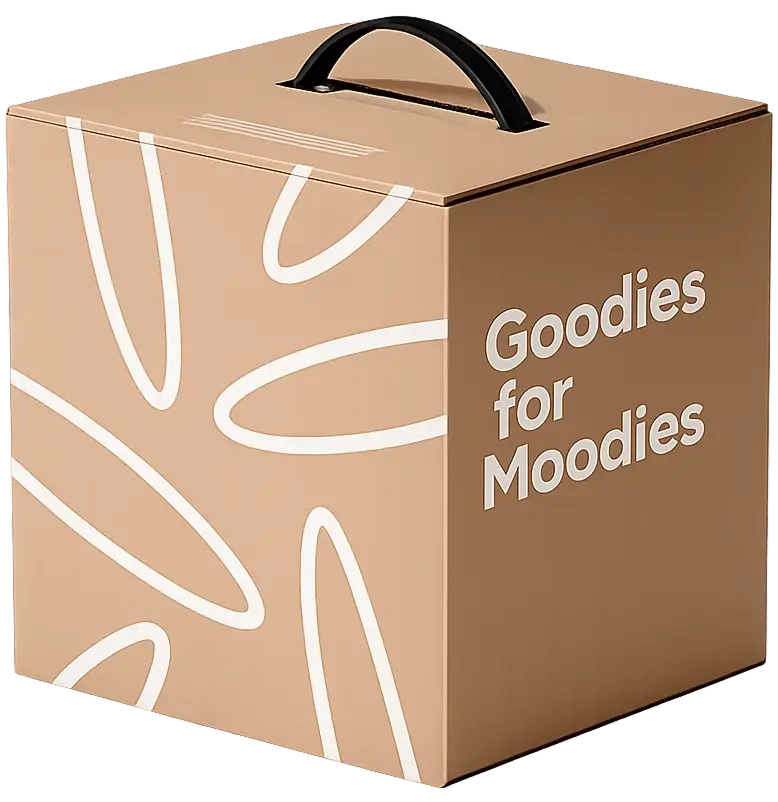
The final result was a single package, completely redesigned to:
- reduce the total number of SKUs from 8 to 1;
- eliminate 90% of the plastic previously used;
- improve protection through a reinforced internal architecture;
- optimise assembly, making it faster and more standardised;
- increase transport payload by 40%.
This optimisation means less material, less wasted transport capacity, less warehouse space and greater control over the entire process.

Results Achieved
➡ 90% less plastic
Most of the plastic components were replaced with cardboard — a more sustainable and fully recyclable material.
➡ Just 1 package instead of 8
A simpler process, reduced variability and greater operational control.
➡ 40% more transport payload
Volumetric optimisation allows more products to be transported per journey, reducing costs and emissions.
➡ Less damage, lower costs and a stronger brand image
The designed architecture not only protects more effectively, but also reduces the risk of returns and reinforces the brand’s environmental commitment.
Strategic Impact for the Client
The solution did not affect only the assembly line — it delivered benefits at several levels:
- Operations: faster, more consistent processes that are easier to train.
- Logistics: better use of transport and storage capacity.
- Purchasing: fewer components, fewer suppliers and lower costs.
- Sustainability / ESG: an effective reduction in waste and carbon footprint.
- Marketing: a stronger sustainable and innovative brand image.
This transformation is felt throughout the entire value chain.

A Scalable Solution for the Entire Sector
The approach was designed to be replicated across:
- complete furniture ranges;
- flat-pack products;
- premium ranges with higher protection requirements;
- brands with ambitious ESG objectives.
Always with the same purpose: more efficient, more sustainable and more competitive packaging.
Conclusion
This case study shows how packaging engineering can generate an impact far beyond the box itself: it reduces costs, simplifies operations, improves timings, strengthens sustainability and creates value for the brand.
At Verpakking, we believe that the right packaging accelerates efficiency and competitiveness — and this project demonstrates exactly that.
Would you like to reduce transport costs and eliminate plastic from your packaging?
Contact us and receive a free analysis of your packaging process.