In a sector where logistics efficiency is directly linked to competitiveness, small packaging improvements can generate extraordinary gains throughout the value chain. Reducing volume, speeding up operations and preventing damage are no longer merely technical matters — they have become strategic priorities.
This was precisely the challenge presented by a multinational furniture company. The result was a solution that increased load capacity by more than 50%, drastically reduced packing time and almost eliminated transport damage.
The Challenge: Excessive Volume, Damage and Slow Processes
The client was using packaging that was far too bulky for the actual product, resulting in:
- a large amount of unused space;
- high logistics costs due to poor container utilisation;
- frequent damage to components during transport;
- long, poorly standardised packing processes;
- an inconsistent unboxing experience for the end customer.
In a context of international transport and growing cost pressure, optimising logistics density and reducing damage became essential.
The Objective: Packaging That Was More Compact, Safer and Much Faster
The objective agreed with the client was clear:
- reduce the total packaging volume;
- strengthen protection for the most sensitive components;
- simplify the packing process;
- increase capacity per container;
- reduce returns and costs associated with damage;
- improve presentation and the end customer’s experience.
Verpakking’s Approach: Engineering Focused on Efficiency
The project began with a detailed technical analysis of the existing packaging, operational workflows and transport requirements.
Key stages of the process
- AS-IS mapping: timings, packing sequence and critical damage points.
- Volumetric reorganisation to eliminate empty areas and optimise density.
- Prototype development with reinforced internal retention systems.
- Drop tests and simulations of real logistics impacts.
- An operational pilot to measure timings and validate ergonomics.
- Series implementation and training for internal teams.
The focus remained the same throughout: less volume, greater protection and more speed.
The Solution: Smarter, Faster and Extremely Stable Packaging
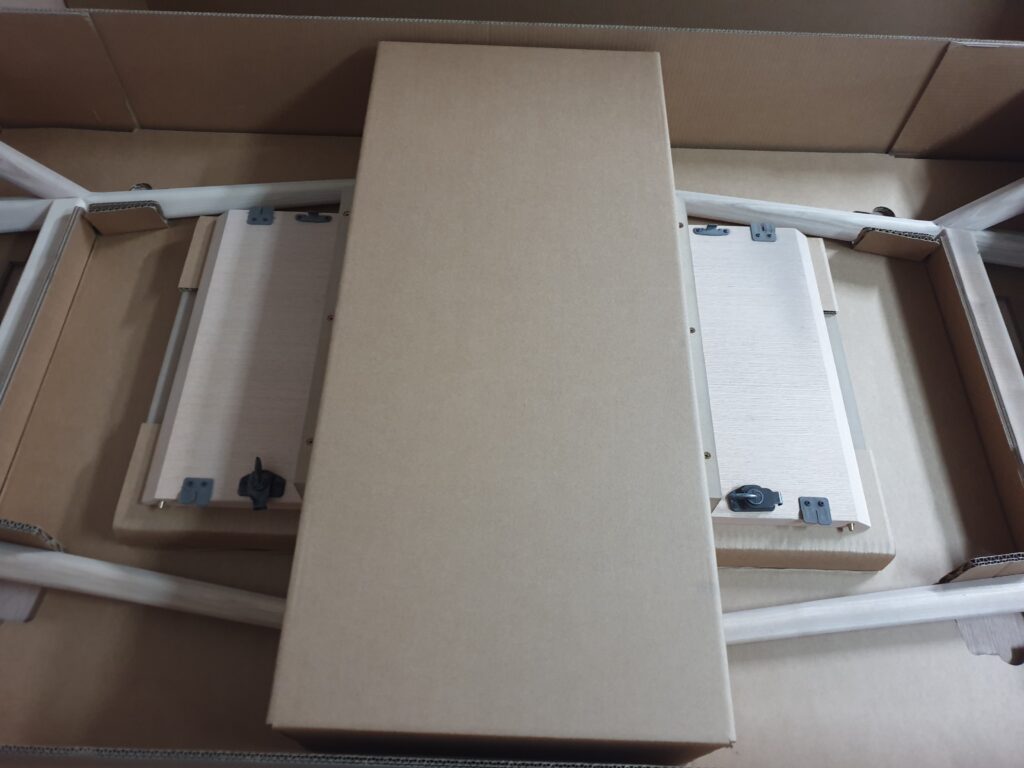
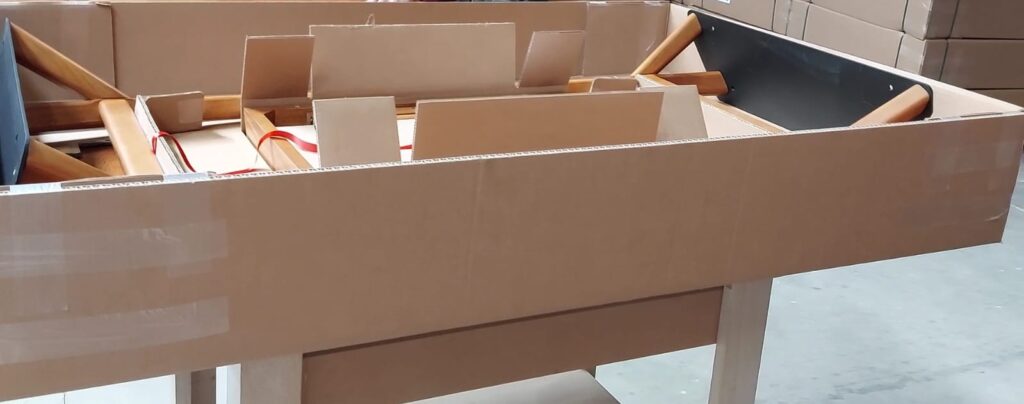
The redesign resulted in fully optimised packaging capable of:
- reducing total volume by 20%;
- increasing load capacity per container by 51%;
- stabilising every component through a new internal architecture;
- making the packing process 60% faster;
- minimising internal movement and the risk of damage;
- providing a cleaner, more intuitive and more professional unboxing experience.
Ultimately, the solution made the entire process more predictable, economical and sustainable.
Results Achieved
➡ 20% less volume
Achieved through effective internal reorganisation and the elimination of unused space.
➡ 51% more capacity per container
More products per journey, resulting in a lower logistics cost per unit.
➡ 60% less packing time
A simpler, faster process that is easier to teach.
➡ Almost zero damage
The new internal structure provides greater protection over long distances.
➡ A better unboxing experience
A more organised solution with well-integrated components.
Strategic Impact for the Client
The improvement went far beyond the packaging itself, delivering benefits across the business:
Operations
- faster processes;
- less variability between operators;
- higher productivity during production peaks.
Logistics
- better use of every journey;
- lower transport costs;
- reduced storage requirements.
Procurement
- less material overall;
- less rework;
- a lower risk of damaged components.
Sustainability / ESG
- lower CO₂ emissions per journey;
- reduced material consumption;
- a solution with a smaller environmental footprint.
Marketing / Brand
- a more premium end experience;
- fewer complaints;
- a stronger and more professional image.
A Scalable Solution for the Client’s Entire Portfolio
The success of this approach means it can be applied to:
- other furniture ranges produced by the client;
- products with multiple components;
- ranges intended for long international routes;
- flat-pack solutions requiring ergonomics and robustness.
It is a replicable, efficient and high-impact methodology.
Conclusion
This case study demonstrates how packaging engineering is a strategic tool for reducing costs, speeding up operations, decreasing damage and increasing competitiveness.
The redesign delivered real value throughout the chain — from the warehouse to the end customer — improving efficiency, sustainability and perceived quality.
At Verpakking, we believe the right packaging transforms operations. In this case, it transformed them completely.
Would you like to reduce logistics costs, improve packing efficiency and enhance the end customer’s experience?
👉 Contact us for a free analysis of your packaging.