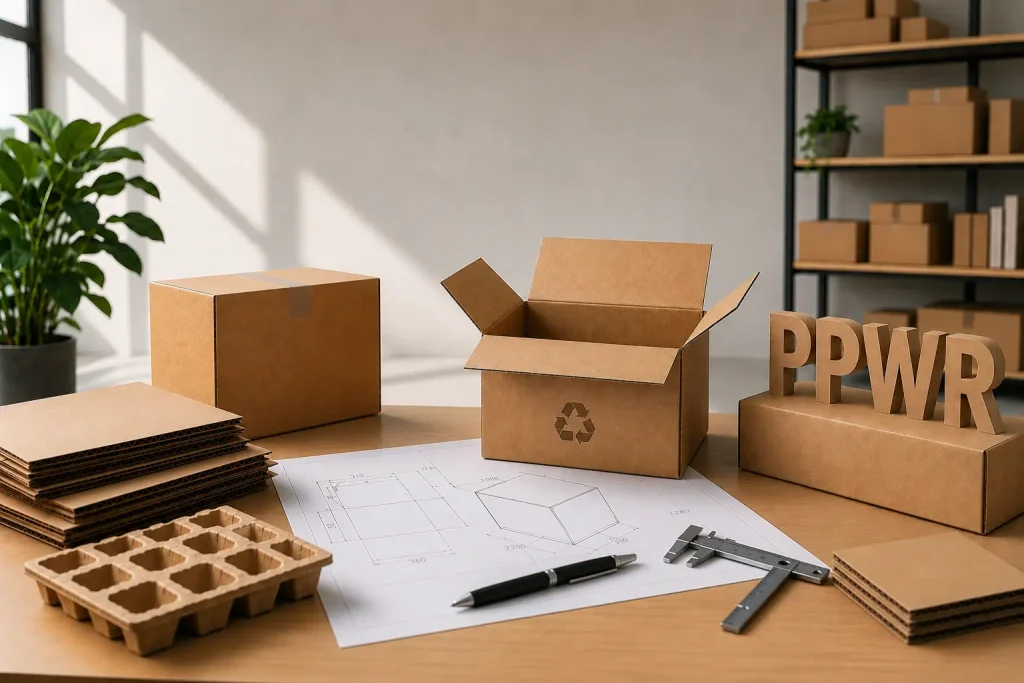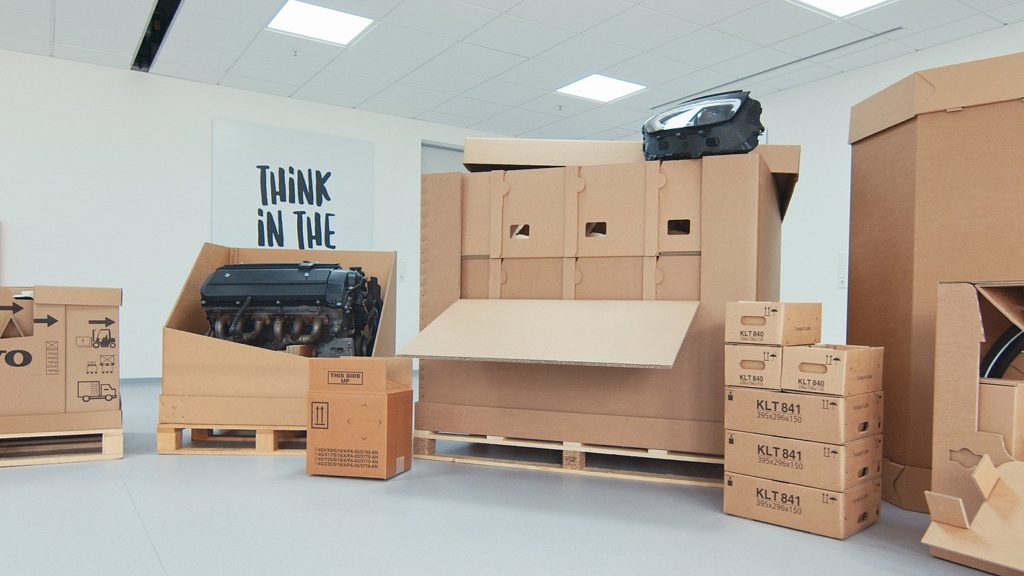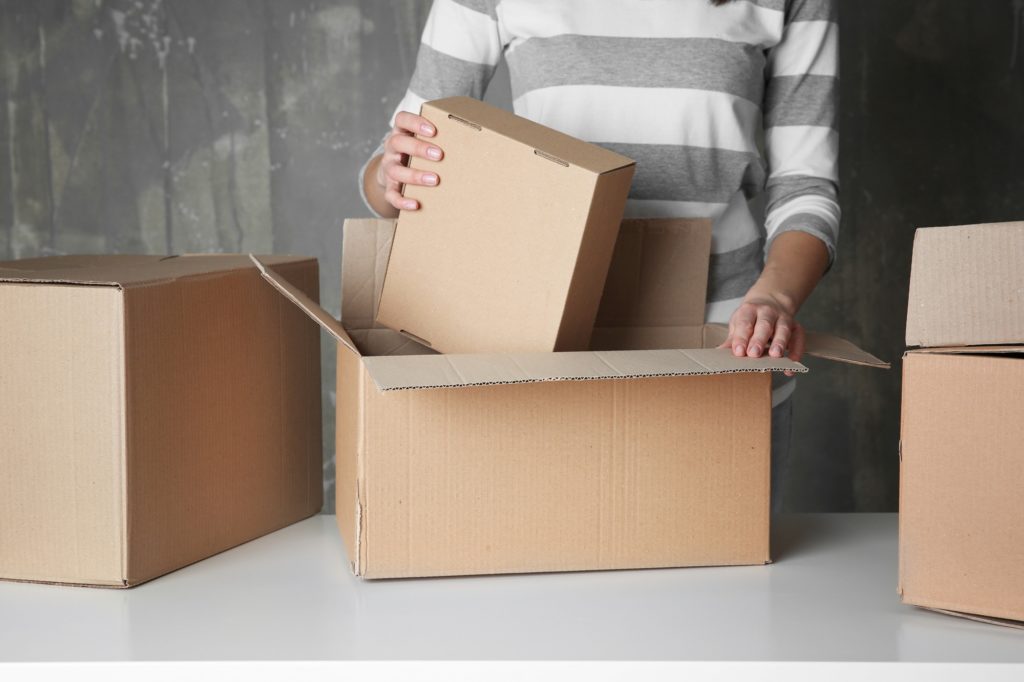
Corrugated cardboard is the basis of most industrial packaging. It offers structural strength, versatility and sustainability, making it suitable for transport, storage and distribution.
However, as logistics chains become more complex, the use of cardboard alone no longer guarantees complete product protection. Impacts, continuous vibration, internal friction and lateral pressure act simultaneously during transport, even when the outer packaging remains intact.
In this article, we examine the limitations of cardboard and explain why complementary protective solutions, such as polyethylene, are necessary in many cases.
1. The structural role of cardboard
Corrugated cardboard performs essential packaging functions:
- it creates structure and contains the load
- it enables safe stacking
- it withstands vertical compression
- it offers an excellent strength-to-weight ratio
- it is recyclable and sustainable
These characteristics make cardboard an indispensable material in industry.
2. Where cardboard begins to reach its limits
Despite its structural strength, different types of cardboard may have natural limitations:
- it does not absorb impact energy; it merely transmits it
- it does not cushion continuous vibration
- it does not protect sensitive areas, such as edges and corners
- it does not prevent direct contact between the product and the packaging
These limitations become evident during prolonged transport or when dealing with fragile products.
3. Main causes of damage during transport
A large proportion of damage is caused by:
- accidental drops during handling
- constant vibration during road or sea transport
- collisions between products inside the packaging
- lateral pressure during palletisation
- exposure to moisture
These factors act together, increasing the level of risk throughout the logistics journey.
4. The importance of complementary protection
Effective packaging must:
- absorb impact
- reduce vibration
- eliminate internal friction
- protect critical areas
To achieve this, materials with cushioning properties must be integrated, a function that cardboard does not perform on its own.
5. The role of polyethylene in product protection
Polyethylene, in the form of profiles, foam or films, has ideal protective characteristics:
- high energy absorption capacity
- flexibility and elastic memory
- resistance to moisture and chemical agents
- low weight
- potential for reuse
These properties make it a natural complement to cardboard packaging.
6. Efficient packaging: structure + protection
The most effective solution results from combining:
- cardboard → structure and containment
- polyethylene → cushioning and protection
This approach reduces damage, returns and operating costs while increasing transport reliability.
Cardboard remains essential in industrial packaging, but it should not be regarded as a complete solution on its own.
As risk increases, protection must evolve. Integrating polyethylene solutions transforms basic packaging into a complete protective system.
👉 At Verpakking, we develop packaging solutions that combine structure, protection and logistics efficiency.