In an increasingly competitive logistics chain, every detail matters. Packaging, often seen merely as the “container for the product” and a cost to be minimised, plays a much more strategic role than most companies realise. It is precisely here that many leading brands find opportunities to reduce costs, increase efficiency and improve the customer experience.
Cardboard packaging stands out not only for its sustainability, but also for its direct contribution to more effective logistics operations. When properly planned, it can reduce shipping weight, improve stacking, minimise damage and optimise space, all with an immediate financial impact.
In this article, we explore five real strategies used by companies that have already transformed packaging into a competitive advantage.
1. Weight reduction
The weight of the packaging directly influences transport costs. The lighter it is, the lower the cost of transport, both for national and international services.
Corrugated cardboard is, by nature, structurally robust while remaining very lightweight. This combination allows companies to benefit from strong packaging without increasing the total weight of the goods.
Using properly optimised cardboard boxes contributes to:
- Lower transport costs, particularly in weight-based pricing systems;
- Lower fuel consumption, thanks to the reduction in total weight moved;
- A lower cost per pallet, due to the possibility of including more units in each load.
For many companies, simply switching from metal and wooden packaging to cardboard solutions results in savings of between 35% and 60% in annual logistics costs.
2. Better stacking
One of the secrets to reducing logistics costs lies in the way the load is organised during storage and transport. Well-designed packaging facilitates efficient stacking, reduces empty spaces and maximises capacity in a lorry, container or other means of transport.
Cardboard allows structural designs that fit together securely, making stacking safer. This characteristic offers several advantages, including:
- Full use of the available warehouse space;
- Optimised loading in lorries and containers;
- Faster organisation in distribution centres.
When more boxes can be placed on each pallet, the number of journeys decreases and the cost per transported unit falls significantly.
3. Strength adapted to the application
One of the greatest sources of logistics costs is damage during transport. Every return represents additional expenditure and a loss of customer trust.
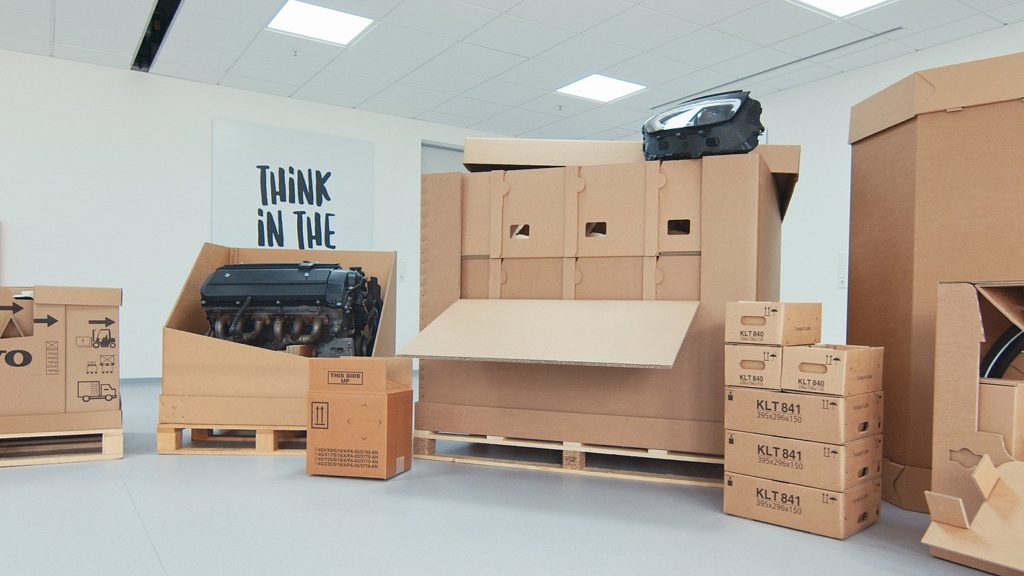
With the right packaging, this problem can be reduced dramatically. Heavy Duty, double-wall or triple-wall cardboard grades are particularly effective for heavy, fragile or high-value products. This type of cardboard offers:
- High compression resistance, which is crucial for stacking;
- Additional protection against impacts during transport;
- Consistent performance in more demanding logistics environments.
Many companies that have moved to Heavy Duty solutions have observed reductions of more than 80% in damage and returns, an impact that goes far beyond the cost of the packaging itself.
4. Made-to-measure format
A box that is larger than necessary creates additional costs at several points: it increases shipping volume, requires more filling materials and occupies extra warehouse space.
Custom packaging solves this problem. By developing packaging specifically designed for each product, companies can:
- Significantly reduce filling materials such as bubble wrap and foams;
- Minimise the total shipping volume, reducing volumetric costs;
- Ensure a perfect fit, increasing protection during transport;
- Improve the internal organisation of products intended for e-commerce.
Customising the size of the box is one of the most direct ways to achieve immediate logistics savings.
5. Functional customisation
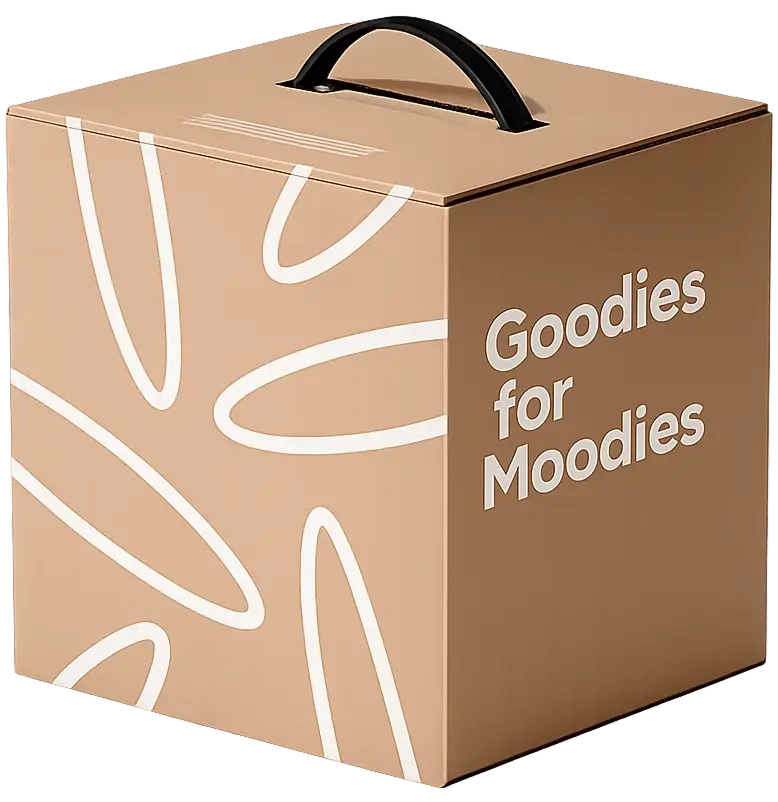
Packaging customisation is not only aesthetic; it is also operational. Direct printing on cardboard makes it possible to include essential information that facilitates logistics management.
These customisations may include:
- QR codes for tracking and digital integration;
- Clear product or batch identification;
- Specific transport information;
- Handling instructions for warehouses and distributors.
When packaging communicates clearly, internal processes become faster, identification time is reduced and operational errors decrease, all of which contributes to more efficient and economical logistics.
Packaging should not be regarded as just another cost to reduce, but as a strategic optimisation tool. Companies that invest in intelligent, sustainable packaging designed for efficiency can reduce expenditure, improve internal operations and strengthen the customer experience. At Verpakking, we know that the right packaging can transform the entire logistics chain.