Packaging is one of the most critical elements in the logistics chain. An unsuitable choice can result in damage, returns, material waste and high operating costs. By contrast, well-designed packaging protects the product, optimises transport, improves logistics efficiency and contributes to a sustainable strategy.
This practical guide was developed to help companies make informed decisions when choosing the right packaging, taking technical, logistics and strategic factors into account.
1. Product characteristics
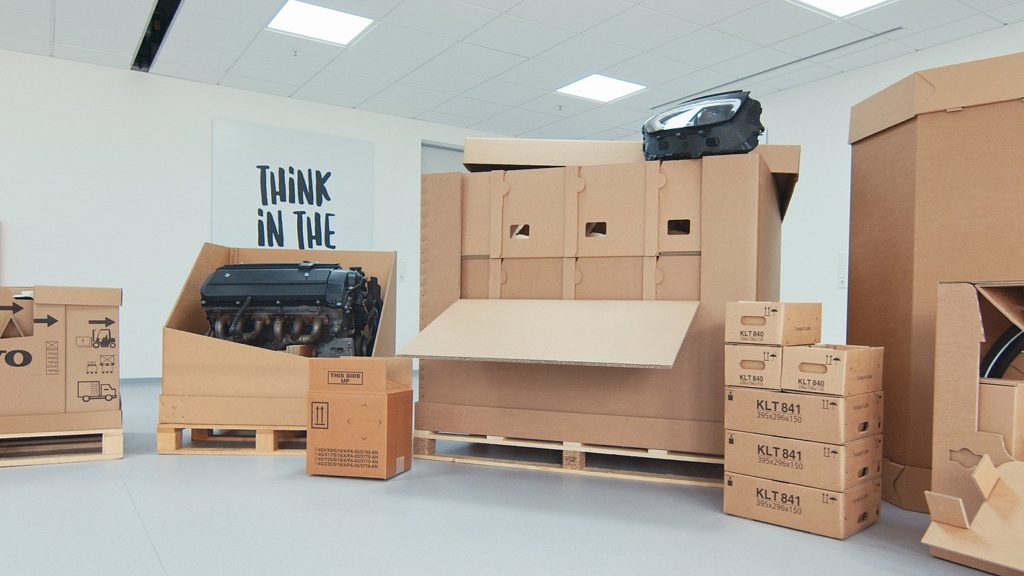
Weight, fragility, shape, dimensions and environmental sensitivity are determining factors. Heavy or fragile products require reinforced solutions, such as double- or triple-wall corrugated cardboard or made-to-measure technical packaging.
2. Logistics journey
The type of transport and the number of handling operations increase the level of demand placed on the packaging. The longer and more complex the logistics chain, the greater the need for structural strength and internal protection.
3. Storage and stacking
Packaging must ensure stability in the warehouse. Inadequate structural design can compromise stacking, increase risk and occupy unnecessary space.
4. Internal protection
Dividers, reinforcements and cushioning systems increase product safety and reduce damage without compromising sustainability.
5. Sustainability
Cardboard stands out because it is recyclable, renewable and compatible with the circular economy, without compromising performance.
6. Cost and efficiency
The right packaging reduces indirect costs such as returns, excessive transport volume and filling materials.
There is no universal solution. The right packaging results from a balance between the product, logistics, sustainability and cost.
At Verpakking, we develop packaging solutions adapted to the real requirements of each customer.
Contact us and request a quotation.